
Emprise Service Group
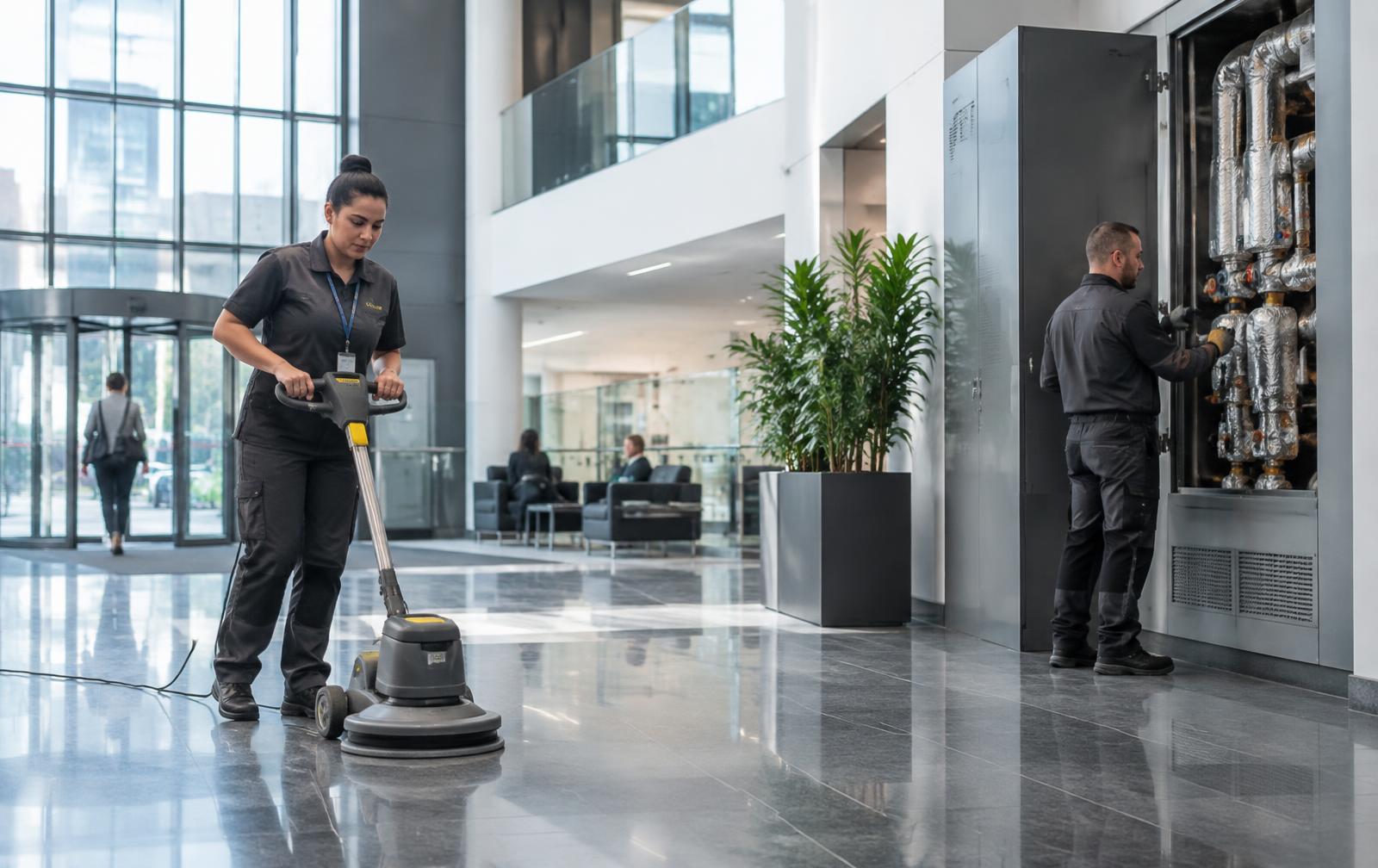
Cleaning operative and maintenance engineer working in the atrium of a modern commercial building

Facilities Management

Reactive Maintenance

Reactive maintenance covers faults and failures that need attention between planned visits. Emprise receives and logs requests, agrees priority with the client, attends site and either resolves the fault or defines the works required. Response arrangements are set contractually for each site rather than promised as a generic figure.

Facilities Management

Typical reactive requests

Reactive Maintenance from Emprise is specified around the site, the shift pattern and the systems in use, so the support provided matches how your operation actually runs.

  • Building fabric repairs
  • Plumbing and drainage faults
  • Lighting and small power faults
  • Door, lock and access hardware issues
  • Heating, cooling and ventilation faults
  • Post-incident and out-of-hours attendance
Cleaning operative and maintenance engineer working in the atrium of a modern commercial building

Typical responsibilities

  • Logging each request with site, priority and detail
  • Attending within the agreed response arrangement
  • Making safe, then repairing or specifying works
  • Updating the client on status and completion
  • Feeding recurring faults back into planned maintenance
Environments we support

  • Offices and multi-tenant buildings
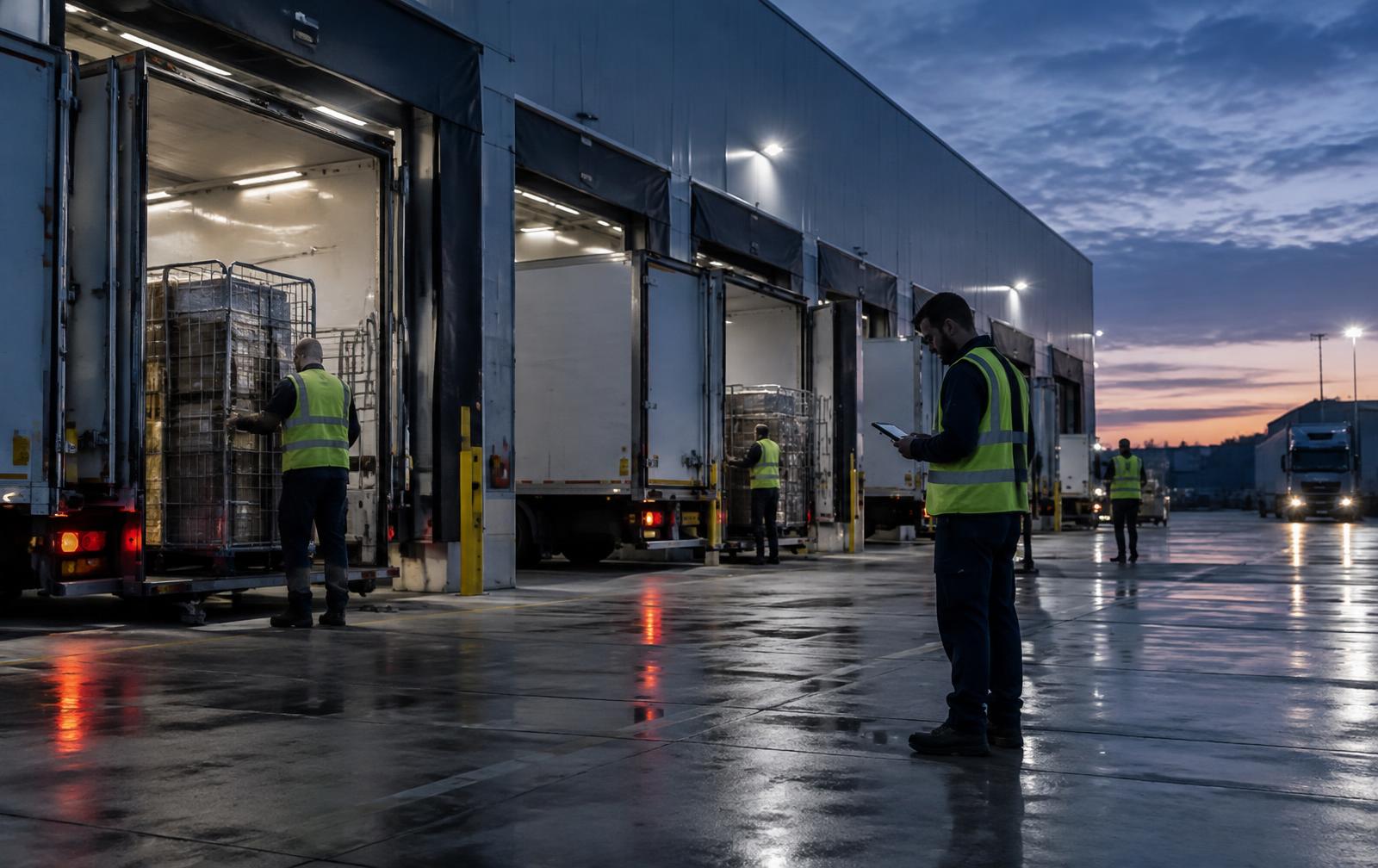
  • Warehouses and distribution centres
  • Retail units
  • Public sector and healthcare premises

How we work

  • Scope agreed in writing before delivery begins
  • A named point of contact for the contract
  • Reporting at intervals agreed with you
  • Regular review of performance and priorities

Delivery

From requirement to operation.

Every service follows the same six-stage route, so you know what happens before, during and after mobilisation.

  1. 01

    Understand

    Understand site, operation, workforce and service requirements.

  2. 02

    Plan

    Define scope, responsibilities, mobilisation and delivery model.

  3. 03

    Mobilise

    Recruit, allocate, induct and prepare resources.

  4. 04

    Deliver

    Launch services with defined management and communication.

  5. 05

    Measure

    Monitor service performance and operational requirements.

  6. 06

    Improve

    Review performance and identify opportunities for continuous improvement.

Questions

Frequently asked questions

How are reactive maintenance requests raised?

Requests are raised through an agreed route — typically a named contact, shared mailbox or helpdesk process defined at mobilisation. Each request is logged with the site, the fault, access details and a priority, so attendance can be planned and progress tracked to completion.

What response times does Emprise offer?

Response arrangements are agreed with each client rather than quoted as a single national figure. Priorities are defined during contract set-up, usually separating safety-critical faults, faults affecting operations and non-urgent works, with attendance expectations set for each category.

Can reactive cover run outside normal hours?

Out-of-hours arrangements can be included where a site operates in the evening, overnight or at weekends. This is scoped at contract stage so the escalation route, authorised contacts and spend approval limits are clear before cover starts.

What happens if a repair needs specialist work?

Where a fault requires specific qualifications, accreditation or equipment, we make the area safe, define the scope and arrange the specialist works for approval. The request stays open on our side until the work is completed and the client has confirmation.

Does reactive work reduce over time?

Recurring faults are reviewed and, where the cause is maintainable, moved into a planned schedule. Over the life of a contract that pattern of review usually shifts spend from unplanned repairs towards planned activity, which is easier to budget and less disruptive to operations.

Let's keep your operation moving.

Talk to Emprise about facilities management, logistics support, warehouse operations or workforce requirements.