Typical responsibilities
- Maintaining sort rate through the cycle
- Sorting accurately to destination or lane
- Handling exceptions and rejects correctly
- Working safely around conveyors and equipment
- Supporting timely completion of each sort window

Warehouse Solutions
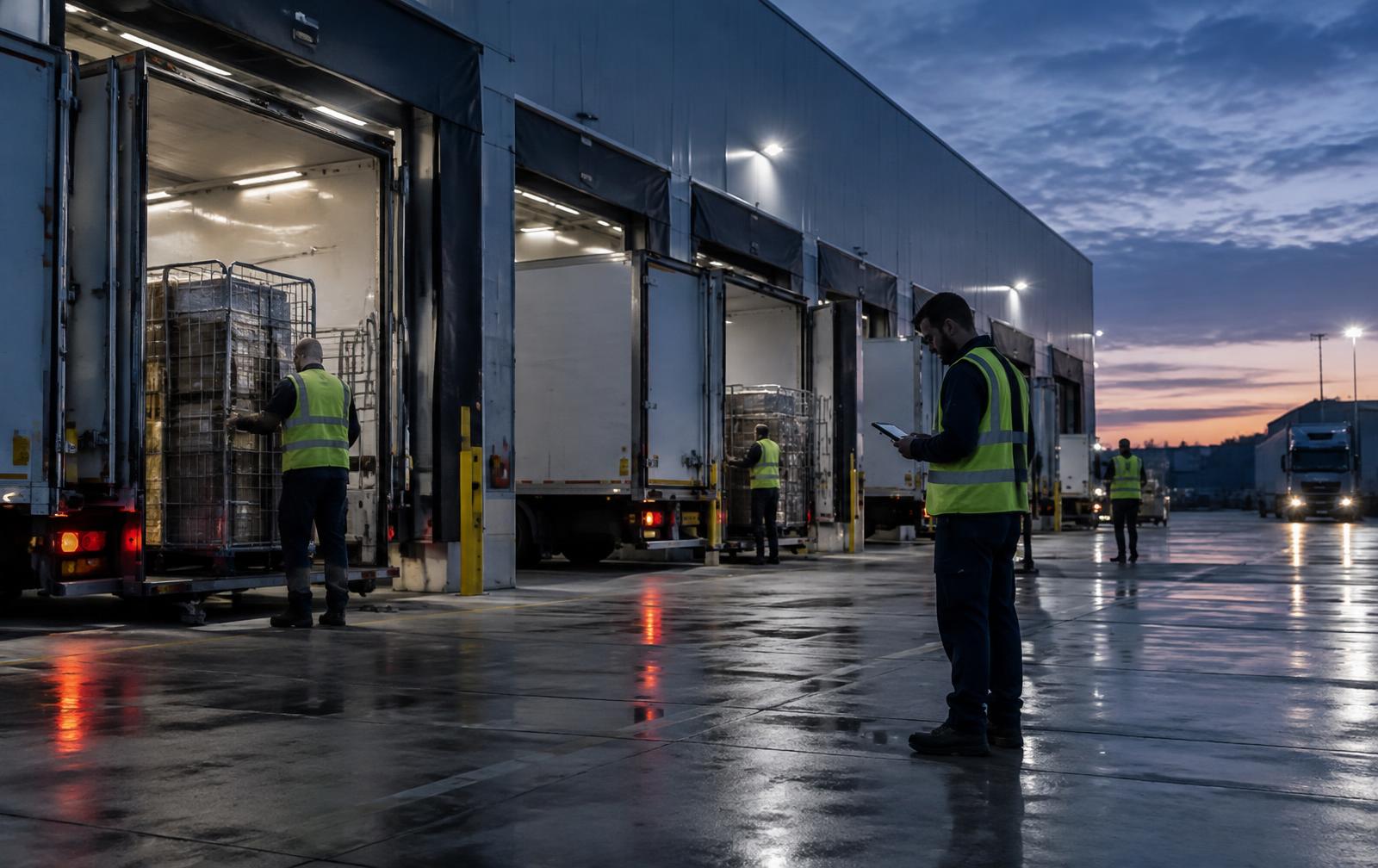
Sortation operations run to fixed dispatch windows and depend on consistent staffing. Emprise provides sortation operatives for parcel, item and order sorting, covering infeed loading, chute and lane work, scanning and dispatch preparation, with shift patterns built around the operation's sort cycles.
Warehouse Solutions
Sortation Operatives from Emprise is specified around the site, the shift pattern and the systems in use, so the support provided matches how your operation actually runs.
Delivery
Every service follows the same six-stage route, so you know what happens before, during and after mobilisation.
Understand site, operation, workforce and service requirements.
Define scope, responsibilities, mobilisation and delivery model.
Recruit, allocate, induct and prepare resources.
Launch services with defined management and communication.
Monitor service performance and operational requirements.
Review performance and identify opportunities for continuous improvement.
Questions
A sortation operative moves parcels, items or orders through a sorting process — loading infeeds, sorting to chutes, lanes or cages, scanning and verifying labels, handling rejects, and preparing sorted volume for loading. The role is paced by the sort cycle rather than by individual orders.
Night and early morning sorts are common in parcel and grocery operations and are resourced accordingly, with start times set to the sort window and consistent worker allocation wherever possible.
Where an operation uses conveyors, automated sorters or scanning technology, safety briefing and site-specific training are completed before workers operate in those areas. We prioritise workers with relevant experience for automated environments.
Team sizes are set against expected volume per cycle, and attendance is monitored closely because a short team affects the whole sort. Where volumes change, resourcing is reviewed against the sort plan rather than left to chance.
Yes. Supervised teams suit high-volume sorts where allocation, breaks and attendance need active management through the cycle without drawing on the client's own supervisors.
Talk to Emprise about facilities management, logistics support, warehouse operations or workforce requirements.